
Payroll Modernization | Technology Transformation |
Process Optimization | Policy Change
Building a Connected Payroll and Time Ecosystem for a Global Workforce
UKG | IMMEDIS | WORKDAY
This global payroll transformation unified disparate legacy systems into a
single digital ecosystem, streamlined manual processes, strengthened
compliance, and significantly improved efficiency, accuracy, and employee
experience through mobile‑enabled self‑service, intuitive workflows, and
data‑driven reporting.
Client Overview
Enterprise Profile

Global Chemical Manufactures
Lorem ipsum dolor sit amet, consectetur adipiscing elit, sed do eiusmod tempor incididunt ut labore et dolore magna aliqua. Ut enim ad minim veniam, quis nostrud exercitation ullamco laboris nisi ut aliquip ex ea commodo consequat.
Core Engagement
Payroll & Time Ecosystem Overhaul
Revenue
$14.B
Employees
24,000
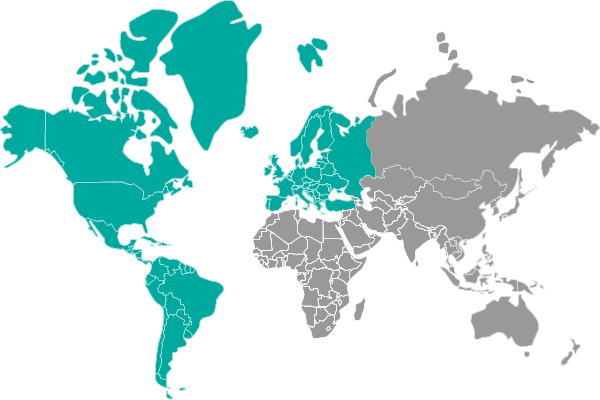
Regional Complexity
Global Chemical Manufactures
Lorem ipsum dolor sit amet, consectetur adipiscing elit, sed do eiusmod tempor incididunt ut labore et dolore magna aliqua. Ut enim ad minim veniam, quis nostrud exercitation ullamco laboris nisi ut aliquip ex ea commodo consequat.
Core Engagement
Payroll & Time Ecosystem Overhaul
Revenue
$14.B
Employees
24,000
Regional Complexity
Client Overview
Strategic Intervention
Business Challenges
> Multiple legacy payroll and timekeeping systems nearing end-of-life (e.g., SAP HPE, Vanguard)
> Manual processes creating inefficiencies and risk of error
> Inconsistent global data and reporting capabilities
> Limited mobile functionality and poor user experience
> Complex vendor management and high costs
> Compliance and audit challenges across regions
> Manual processes creating inefficiencies and risk of error
> Inconsistent global data and reporting capabilities
> Limited mobile functionality and poor user experience
> Complex vendor management and high costs
> Compliance and audit challenges across regions
Business Objectives
> Centralize payroll and time & attendance systems globally
> Improve user experience with intuitive, mobile-enabled platforms
> Enable manager and employee self-service for greater efficiency
> Enhance reporting and analytics for better decision-making
> Ensure compliance and security across all regions
> Reduce manual processes and streamline integrations
> Improve user experience with intuitive, mobile-enabled platforms
> Enable manager and employee self-service for greater efficiency
> Enhance reporting and analytics for better decision-making
> Ensure compliance and security across all regions
> Reduce manual processes and streamline integrations
Key Drivers of Change Adoption
> Iterative, Agile Delivery: Phased rollout across EMEA and APAC
> Stakeholder Engagement: Country leader and plant manager briefings to minimize disruption
> Persona-Based Planning: Tailored communications and resources for managers, employees, and HR
> User Experience Feedback Network: Focus groups, polls, and system walk-throughs to guide design
> Early Engagement: Manager toolkits, town halls, and readiness checklists
> Point-of-Need Support: Interactive guides, videos, and in-system help
> Stakeholder Engagement: Country leader and plant manager briefings to minimize disruption
> Persona-Based Planning: Tailored communications and resources for managers, employees, and HR
> User Experience Feedback Network: Focus groups, polls, and system walk-throughs to guide design
> Early Engagement: Manager toolkits, town halls, and readiness checklists
> Point-of-Need Support: Interactive guides, videos, and in-system help

Representative Change Enablement Solutions
Communications Strategy
> Multi-channel approach (emails, town halls, digital signage, posters)
> Key messages focused on benefits, simplicity, and compliance
> FAQs and scenario cards for handling objections
Support Resources
> HR and Manager resource sites with toolkits and training
> Digital courses and webinars for hands-on experience
> Quick reference guides and readiness checklists
Engagement Tools
> “It’s Coming” campaigns for awareness
> User Experience Feedback Network for continuous improvement
Business Impact
Efficiency Gains
> Reduced payroll cycle time by 30%
> Eliminated manual time tracking and paper-based processes
Employee Experience
> Improved satisfaction scores by +20% post-launch
> Mobile access enabled for 100% of employees
Data & Compliance
> Centralized payroll and time data for global reporting
> Enhanced audit controls and security compliance
> Reduced payroll cycle time by 30%
> Eliminated manual time tracking and paper-based processes
Employee Experience
> Improved satisfaction scores by +20% post-launch
> Mobile access enabled for 100% of employees
Data & Compliance
> Centralized payroll and time data for global reporting
> Enhanced audit controls and security compliance

Key Performance Indicators
> System Adoption: 90%+ active usage within 60 days
> Payroll Accuracy: 99.8% accuracy rate post-implementation
> Timecard Approval Compliance: 95% on-time approvals
> Employee Satisfaction: Target ≥ 80% (achieved 84%)
> Reduction in Manual Processes: 100% elimination of excel files or paper-based time tracking
> Payroll Accuracy: 99.8% accuracy rate post-implementation
> Timecard Approval Compliance: 95% on-time approvals
> Employee Satisfaction: Target ≥ 80% (achieved 84%)
> Reduction in Manual Processes: 100% elimination of excel files or paper-based time tracking
Business Challenges
> Multiple legacy payroll and timekeeping systems nearing end-of-life (e.g., SAP HPE, Vanguard)
> Manual processes creating inefficiencies and risk of error
> Inconsistent global data and reporting capabilities
> Limited mobile functionality and poor user experience
> Complex vendor management and high costs
> Compliance and audit challenges across regions
> Manual processes creating inefficiencies and risk of error
> Inconsistent global data and reporting capabilities
> Limited mobile functionality and poor user experience
> Complex vendor management and high costs
> Compliance and audit challenges across regions
Business Objectives
> Centralize payroll and time & attendance systems globally
> Improve user experience with intuitive, mobile-enabled platforms
> Enable manager and employee self-service for greater efficiency
> Enhance reporting and analytics for better decision-making
> Ensure compliance and security across all regions
> Reduce manual processes and streamline integrations
> Improve user experience with intuitive, mobile-enabled platforms
> Enable manager and employee self-service for greater efficiency
> Enhance reporting and analytics for better decision-making
> Ensure compliance and security across all regions
> Reduce manual processes and streamline integrations
Key Drivers of Change Adoption
> Iterative, Agile Delivery: Phased rollout across EMEA and APAC
> Stakeholder Engagement: Country leader and plant manager briefings to minimize disruption
> Persona-Based Planning: Tailored communications and resources for managers, employees, and HR
> User Experience Feedback Network: Focus groups, polls, and system walk-throughs to guide design
> Early Engagement: Manager toolkits, town halls, and readiness checklists
> Point-of-Need Support: Interactive guides, videos, and in-system help
> Stakeholder Engagement: Country leader and plant manager briefings to minimize disruption
> Persona-Based Planning: Tailored communications and resources for managers, employees, and HR
> User Experience Feedback Network: Focus groups, polls, and system walk-throughs to guide design
> Early Engagement: Manager toolkits, town halls, and readiness checklists
> Point-of-Need Support: Interactive guides, videos, and in-system help
Representative Change Enablement Solutions
Communications Strategy
> Multi-channel approach (emails, town halls, digital signage, posters)
> Key messages focused on benefits, simplicity, and compliance
> FAQs and scenario cards for handling objections
Support Resources
> HR and Manager resource sites with toolkits and training
> Digital courses and webinars for hands-on experience
> Quick reference guides and readiness checklists
Engagement Tools
> “It’s Coming” campaigns for awareness
> User Experience Feedback Network for continuous improvement
Business Impact
Efficiency Gains
> Reduced payroll cycle time by 30%
> Eliminated manual time tracking and paper-based processes
Employee Experience
> Improved satisfaction scores by +20% post-launch
> Mobile access enabled for 100% of employees
Data & Compliance
> Centralized payroll and time data for global reporting
> Enhanced audit controls and security compliance
> Reduced payroll cycle time by 30%
> Eliminated manual time tracking and paper-based processes
Employee Experience
> Improved satisfaction scores by +20% post-launch
> Mobile access enabled for 100% of employees
Data & Compliance
> Centralized payroll and time data for global reporting
> Enhanced audit controls and security compliance
Key Performance Indicators
> System Adoption: 90%+ active usage within 60 days
> Payroll Accuracy: 99.8% accuracy rate post-implementation
> Timecard Approval Compliance: 95% on-time approvals
> Employee Satisfaction: Target ≥ 80% (achieved 84%)
> Reduction in Manual Processes: 100% elimination of excel files or paper-based time tracking
> Payroll Accuracy: 99.8% accuracy rate post-implementation
> Timecard Approval Compliance: 95% on-time approvals
> Employee Satisfaction: Target ≥ 80% (achieved 84%)
> Reduction in Manual Processes: 100% elimination of excel files or paper-based time tracking
Lessons Learned
Restrict launch phases to a few countries at a time
Use a sequenced rollout model that allows teams to assess adoption patterns, validate readiness, and identify risk scenarios early, ensuring insights from initial countries inform later deployments.
Provide change management early access to test environments
Involve change practitioners in system testing as soon as feasible so they can shape userfocused workflows, validate translations, and refine support resources with a real understanding of the endtoend experience.
Establish system internal branding early to avoid confusion
Develop a stable, internally owned program identity at project kick‑off to maintain continuity even if vendor product names evolve, minimizing user confusion and reinforcing long‑term recognition.
Engage managers and local HR early in the process
Bring managers and local HR into design and planning phases to secure alignment, clarify expectations, and ensure early buying from the groups most responsible for reinforcing new behaviors.
Reconnect with local HR and managers midway through the project
Conduct midpoint alignment checkpoints tovalidate evolving needs, identify emerging risks, and ensure local teams fully understand system behavior and user experience before go live.
Use clear, consistent communication to reduce resistance
Maintain a structured communication cadence with concise, predictable messaging that reinforces the rationale, what’s changing, and required actions to build confidence and reduce pushback.
Use clear, consistent communication to reduce resistance
Maintain a structured communication cadence with concise, predictable messaging that reinforces the rationale, what’s changing, and required actions to build confidence and reduce pushback.
Use continuous feedback loops to improve adoption and usability
Deploy mechanisms such as surveys, pilot groups, virtual office hours, and usability reviews to capture realtime insights that inform iterative improvements throughout the lifecycle.
Critical Success Factors
Globally consistent processes, allowing exceptions only for legal or regulatory reasons to preserve scalability and reduce operational complexity.
Targeted reminders, task nudges, and rolespecific prompts to help users internalize new workflows, build confidence, and sustain behavioral change.
Mobile functionality, quicklaunch guides, and devicefriendly workflows are in place from day one, anticipating that many users will expect to initiate tasks directly from their personal devices.
Leading the modernization of time,
attendance and payroll processes?
Connect with us to learn about additional transformation
initiatives we’ve successfully supported.
initiatives we’ve successfully supported.
Connect With Us
Get in Touch
Case Studies
Careers
What We Do
About Us
Compliance

Terms & Agreement
Cookies Policy
Privacy